Oil Stains on Concrete: What Pressure Cleaning Can Do
Few things spoil the look of a driveway, garage floor or carport like a dark oil stain. If you own a home or business in Maroochydore, you probably know how quickly a small drip from a car, mower or boat trailer can turn into a stubborn patch that seems impossible to shift. The good news is that pressure cleaning, used correctly and often combined with the right degreasers, can dramatically improve most oil-stained concrete. Here is what it can and can't do, and how to get the best result.
Why Oil Stains Stick to Concrete So Stubbornly
Concrete looks solid, but it is a porous material filled with microscopic capillaries. When oil lands on the surface, it doesn't just sit there. It soaks downward and outward, drawing into those tiny pores. The longer it sits, the deeper it travels.
Several factors influence how stubborn a stain will be:
- Age of the stain: Fresh spills are far easier to remove than stains that have been baked in by months or years of Sunshine Coast heat.
- Type of oil: Engine oil, hydraulic fluid, transmission fluid, cooking oil and diesel all behave differently.
- Concrete finish: Unsealed, broom-finished or exposed aggregate surfaces absorb more than sealed or polished concrete.
- Repeated exposure: A spot where a vehicle is parked every day builds up layer upon layer of contamination.
What Pressure Cleaning Can Do for Oil Stains
Remove Surface Oil and Built-Up Grime
High-pressure water is excellent at lifting loose oil residue, tyre marks, dirt and the film of grime that surrounds a stain. Often a stain looks worse than it really is because oily residue has trapped dust, mould and general road dirt around it. Pressure cleaning clears all of that away, which on its own can make a noticeable difference.
Work With Degreasers to Draw Oil Out
Water alone struggles to break down oil, because the two don't mix. This is why professional cleaners pre-treat stains with a concrete degreaser or alkaline cleaning agent. The product is applied to the stain and left to dwell for a period so it can emulsify the oil. Pressure cleaning then rinses away the loosened residue. For older stains, this process may need to be repeated.
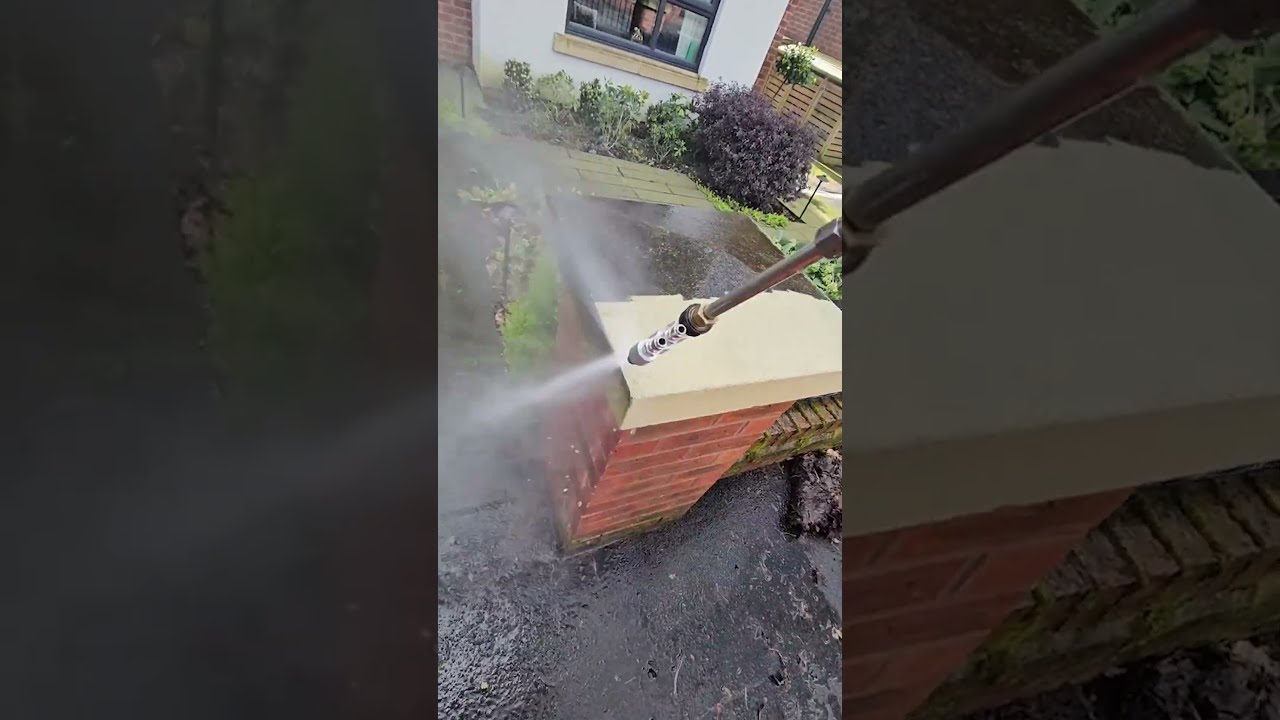
Use Hot Water for Better Results
Hot water pressure cleaning is particularly effective on oil and grease. Heat thins the oil and helps degreasers work faster, so stains lift more completely than they do with cold water. Many commercial and heavy-use areas, such as workshop floors, car parks and loading bays, benefit from hot water equipment.
Prepare the Surface for Sealing
Once concrete is clean and dry, applying a quality penetrating or topical sealer helps prevent future spills from soaking in. Pressure cleaning is the essential first step, because sealer applied over contaminated concrete won't bond properly.
What Pressure Cleaning Can't Always Do
It's important to set realistic expectations. Pressure cleaning can significantly lighten or fully remove many oil stains, but some may leave a faint shadow, especially if:
- The oil has been in the concrete for years
- The slab is very porous or unsealed
- The spill was large and soaked deep into the slab
- Previous attempts, such as cheap solvents or incorrect products, have pushed the oil deeper
In these cases, additional treatments such as poultice products, repeated degreasing, or specialised concrete stain removers may be needed. A reputable pressure cleaner will tell you honestly what is achievable before starting.
Tips for Treating Fresh Oil Spills at Home
Acting quickly makes a big difference. If you spot a fresh spill on your driveway or garage floor, follow these steps:
- Blot, don't rub. Soak up as much oil as possible with paper towels or rags.
- Cover with an absorbent. Cat litter, sawdust or a commercial oil absorbent works well. Spread a thick layer over the spill.
- Leave it to sit. Allow several hours or overnight so the absorbent can draw oil out of the concrete.
- Sweep it up and dispose of it properly. Oil-soaked material should not go into stormwater drains.
- Apply a degreaser. Scrub with a stiff brush, then rinse carefully, keeping runoff away from drains.
Environmental Considerations on the Sunshine Coast
Maroochydore sits close to the Maroochy River, canals and the coast, so stormwater management matters. Wash water containing oil, detergents and grime should never be allowed to flow into street gutters or stormwater drains, as these lead directly to local waterways. Queensland environmental guidelines expect that contaminated wash water is contained and disposed of appropriately.
Professional pressure cleaning operators typically use methods such as drain covers, bunding, wet vacuum recovery and wastewater containment to capture runoff. If you're hiring someone, it's reasonable to ask how they manage wastewater. In 2026, responsible practice and biodegradable cleaning products are increasingly standard expectations for property owners and businesses alike.
Why Local Conditions Matter
The subtropical Sunshine Coast climate creates its own challenges. Heat can bake oil deeper into slabs, while humidity encourages mould and algae to grow on top of stained areas, making the concrete look even darker and patchier. Salt air in coastal pockets of Maroochydore can also contribute to surface grime. A thorough clean addresses oil, mould, algae and general dirt together, which is why many property owners find the whole surface looks refreshed, not just the stained patches.
DIY Pressure Cleaning vs Hiring a Professional
A hired or home pressure washer can handle light, fresh marks. However, there are some risks with DIY:
- Using too much pressure or a narrow nozzle can etch concrete and leave streaky lines.
- Incorrect chemicals may set a stain or damage the surface.
- Oily runoff may end up in stormwater drains.
- Cold water units are less effective on heavy grease.
Professionals have commercial-grade equipment, suitable degreasers, surface cleaners that deliver an even finish, and the experience to know how much pressure each surface can tolerate. For older or larger stains, this often saves time and delivers a better result.
Preventing Future Oil Stains
- Fix vehicle leaks promptly and place a drip tray or mat under parked cars.
- Seal your concrete after cleaning to reduce absorption.
- Keep an absorbent product handy in the garage for quick spill response.
- Schedule regular pressure cleaning to keep surfaces from accumulating grime.
Final Thoughts
Pressure cleaning is one of the most effective ways to tackle oil stains on https://josueirhz953.nexorafield.com/posts/soft-washing-vs-pressure-cleaning-which-is-best-for-you concrete, particularly when it's combined with proper degreasing, hot water and good wastewater practices. While very old or deeply set stains may not disappear completely, most driveways, garages and commercial slabs in Maroochydore can be made to look significantly cleaner. Acting early, choosing the right method and sealing the surface afterwards will keep your concrete looking better for longer.
Maroochydore Pressure Cleaning